
MDAC GUIDE
Malaysia MDAC for Transit Passengers: KLIA Layovers, Connecting Flights & Immigration Rules
Few travel questions cause more doubt than this one: you are only changing planes in Malaysia, so do you need a Malaysia Digital Arrival Card (MDAC)? Kuala Lumpur International Airport (KLIA) is a busy hub, and it handles connections in very different ways depending on your ticket, your airline and the terminal you arrive at.
The honest answer is that it depends on whether your journey takes you through Malaysian immigration. A passenger who stays within the international transit area and never enters the country is in a different position from a passenger who clears immigration to collect a bag, switch terminals or spend the night in the city.
This guide walks through the situations that decide the question: airside and landside zones, the two KLIA terminals, single and separate tickets, baggage, overnight stays, long layovers, itineraries that bring you back into Malaysia, and disrupted connections. It will not tell you that every connection needs an MDAC, and it will not tell you that none does. Instead, it shows you which facts to check so you can decide with confidence.
It is general information, not an official ruling. Airlines and airport operators can change their arrangements, so treat the points below as a framework for asking the right questions rather than a substitute for your airline's instructions.
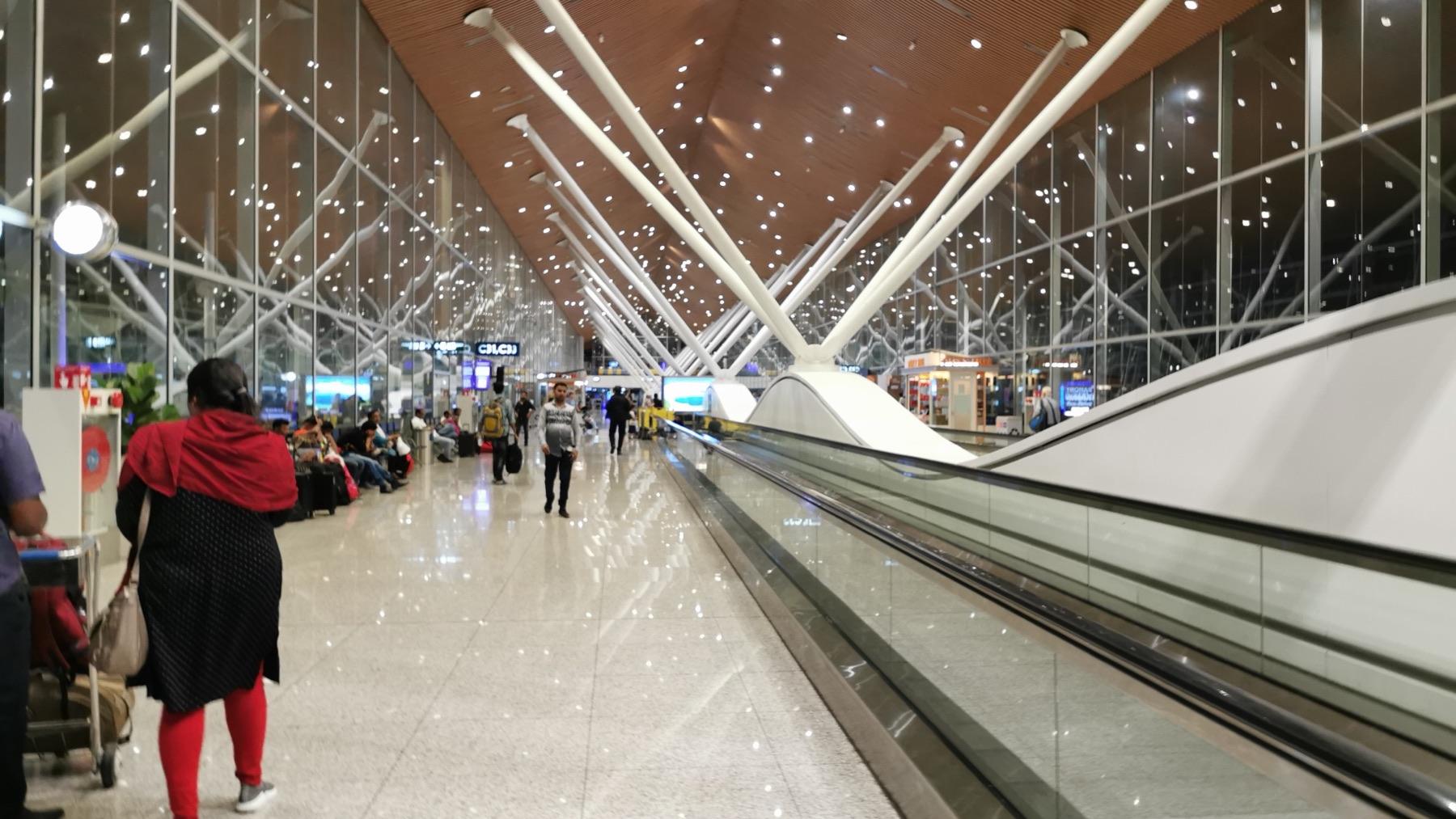

Quick Answer: When Might a Transit Passenger Need an MDAC?
Transit and MDAC at a glance
- Staying in the transit area
- Published travel advice, including guidance from the UK government, says an arrival card is not needed if you will not pass through Malaysian immigration.
- Passing through immigration
- If your plans take you through Malaysian immigration, treat the journey as an entry into Malaysia and check both the visa and MDAC position for your passport.
- What decides it
- Your ticket type, how your baggage is handled, your airline's arrangements, your terminals and your own immigration status all matter.
- Not automatic either way
- A connection does not automatically require an MDAC, and it is not automatically exempt. The actual route you take through the airport decides.
- MDAC is not a visa
- An MDAC is an arrival declaration. It does not replace a visa, and it does not guarantee admission.
- Ordering through our service
- Apply through our service in advance of your planned travel date. Once your MDAC has been processed, we will send the completed document to your registered email address.
The dividing line is immigration. If you step through Malaysian immigration, you have entered the country, even if you are only there for a few hours. If you remain in the part of the airport reserved for international connections and never pass an immigration counter, you generally have not.
That sounds simple, but many connecting journeys are not simple. A second ticket, a change of terminal or a bag that is not checked through can all pull a connection across the line. Throughout this guide, the useful question is always: will I, at any point, need to pass through Malaysian immigration?
If the answer might be yes, read on and check your eligibility on our MDAC eligibility page. If the answer is clearly no, the sections on airline checks and delays will still help you avoid surprises.
Airside and Landside Transit Explained
What airside transit means
Airside refers to the secure part of an airport beyond immigration and security controls for departing and transferring passengers. For an international connection, it means moving from your arriving aircraft to your departing gate without being admitted to the country.
Airside transit usually involves following transfer or connecting-flight signs, passing a security screening point and waiting near your next gate. You are in the airport, but you have not formally entered Malaysia.
What landside means
Landside is the public part of the airport: arrival halls, meeting points, shops, transport links and many hotels. To reach it from an international flight, a passenger normally passes through immigration and, if relevant, customs.
Anyone who is landside after arriving on an international flight has, in practical terms, been admitted by the immigration officer or has used an authorized immigration process. That is why landside time is where MDAC and visa questions begin.
| Question | Airside transit | Landside movement |
|---|---|---|
| Passing a Malaysian immigration counter? | No, not as part of the connection | Yes, immigration is part of the route |
| Treated as entering Malaysia? | Generally not | Yes, treat it as an entry |
| MDAC question | Published advice says an arrival card is not needed if you do not pass through immigration | Check the MDAC and visa position for your passport |
| Typical baggage position | Bags checked through to the final destination | Bags collected, or immigration needed to reach them |
| Typical situations | One ticket, same terminal, short connection | Separate tickets, terminal changes, leaving the airport |
| Who confirms the details | Your airline and your boarding pass | Your airline and your own immigration status |
Why clearing immigration changes the situation
Immigration is the point where a country decides whether to admit a visitor. Before that moment you are a passenger in transit. After it, you are a visitor who has been admitted under the rules that apply to your nationality and travel document.
This is why the same person can need no MDAC on one itinerary and need one on another. Two travelers on the same flight can even reach different answers if one holds a through-checked bag and the other has a separate onward ticket. The airport layout stays the same; the route you must take through it does not.
Understanding Kuala Lumpur International Airport
KLIA is the main international gateway to Malaysia and handles a large share of the country's air connections. For transit planning, the most important feature is that it operates as two passenger terminals rather than one.
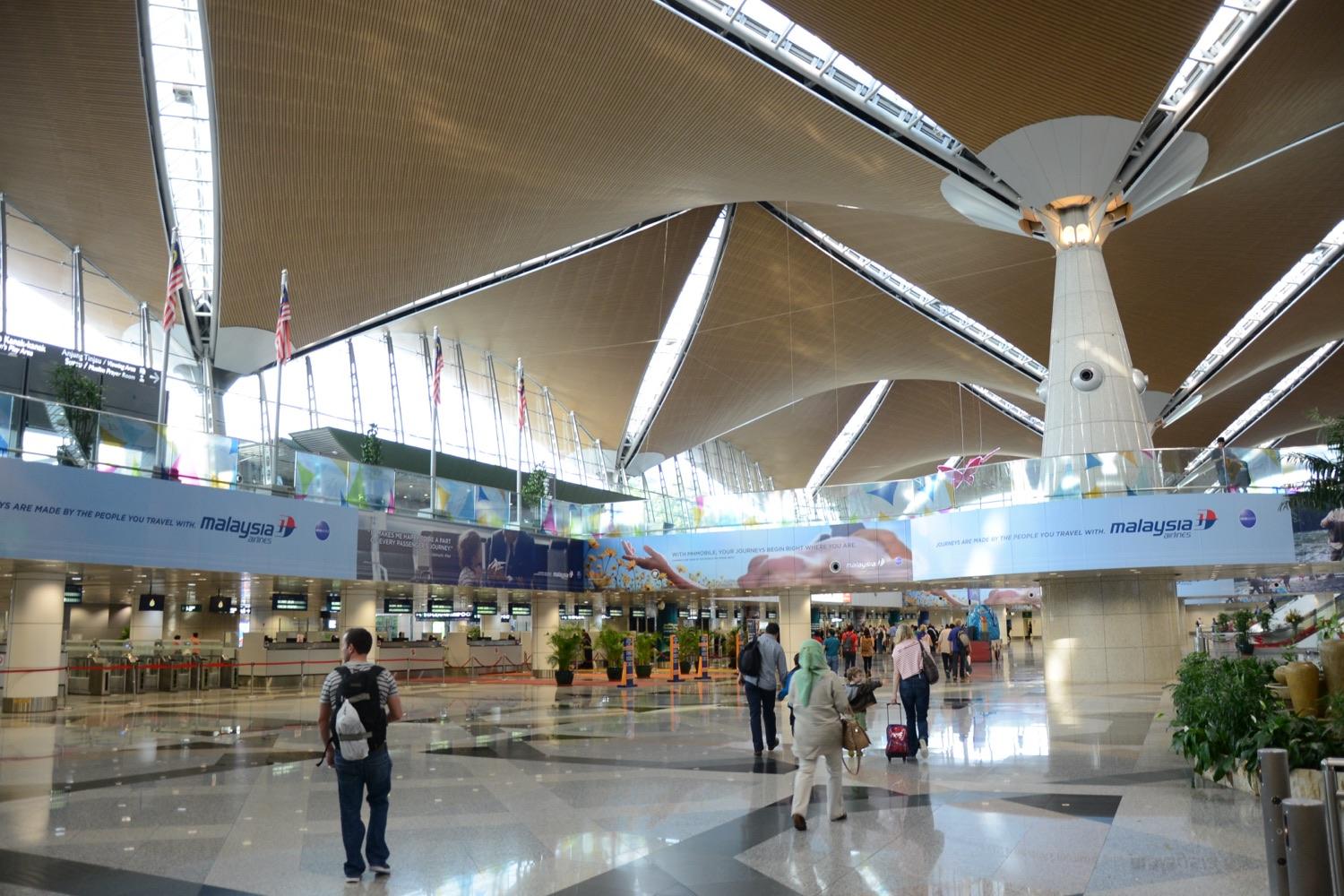

Two terminals, one airport
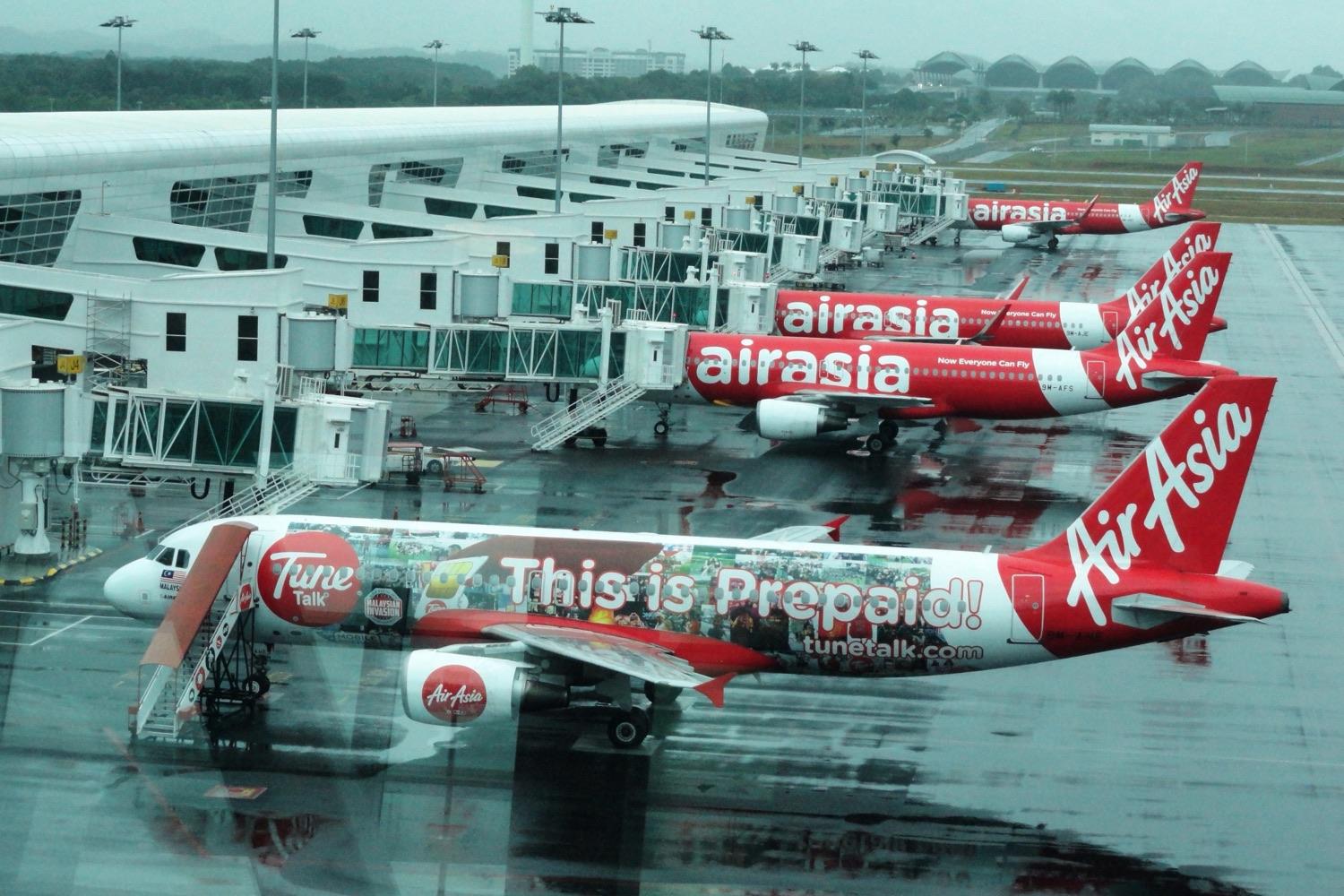
The airport is usually described as Terminal 1, which includes the main terminal building and a satellite building, and klia2, often called Terminal 2. Different airlines use different terminals, and some airlines may change terminals over time. Your airline's booking confirmation, boarding pass and check-in instructions are the reliable source for which terminal applies to each of your flights.
Do not assume that your arrival and departure will be in the same building simply because they are at the same airport. Check each flight separately, especially if you are combining two airlines.
Moving between the terminals
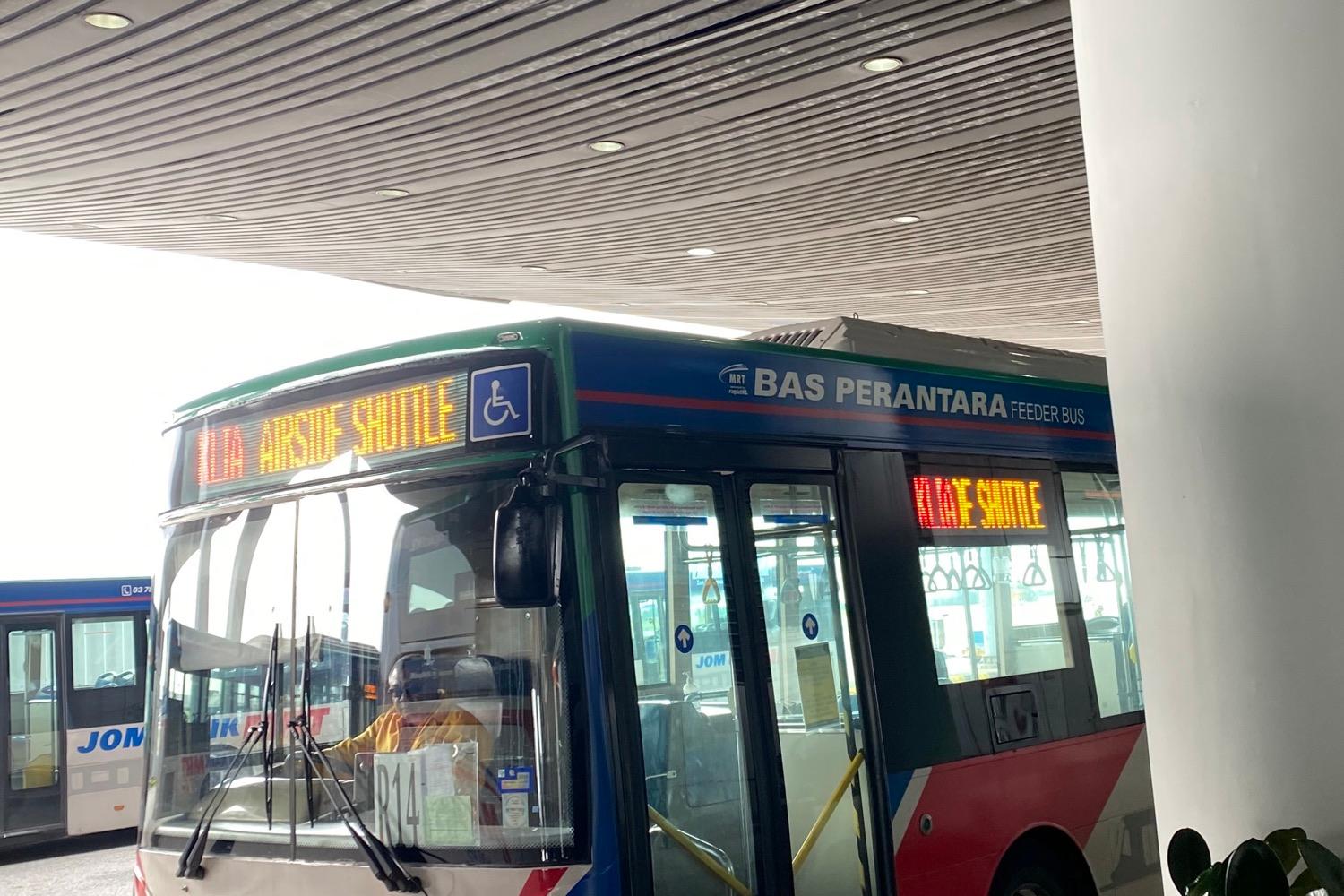
Published airport passenger guidance describes Terminal 1 and klia2 as separate terminals for immigration purposes. In that guidance, passengers moving from one terminal to the other pass through Malaysian immigration before traveling between them, using ground transport such as a rail link or a shuttle bus.
That matters because passing through immigration changes your position. If your itinerary requires a terminal change, ask your airline how it expects you to make the transfer and whether you will need to clear immigration, collect baggage or hold a visa. The answer can differ for passengers on a single airline ticket and passengers on two separate bookings.

Single-Ticket International Connections
A single ticket means one booking, usually with one airline or a partner group, covering every flight to your final destination. For many passengers, this is the simplest arrangement because the airline takes responsibility for the whole journey.
On a single ticket, airlines often check your baggage through to the final destination and issue boarding passes for both flights at the start. When both flights use the same terminal, the connection can often be completed without passing through Malaysian immigration. You follow the transfer signs, pass security screening and wait for the next flight.
Even then, the details depend on your airline's arrangements. Look at your boarding pass and ticket notes. If your onward boarding pass is already in your hand and your bag is labeled for the final destination, that is a good sign your connection is designed as a transit. If you are told to collect your bag, check in again or move to another terminal, treat that as a signal to check immigration, visa and MDAC requirements before you land.
Separate Tickets and Self-Transfer Journeys
A separate-ticket journey, often called a self-transfer, means you hold two or more independent bookings. The first airline carries you to Malaysia and the second airline carries you onward, but neither is responsible for linking the two.
This arrangement can save money, but it changes the airport experience. Because the bookings are separate, your baggage may be checked only to Kuala Lumpur, your second boarding pass may not be issued until you check in for the second flight, and the airlines may not coordinate if one flight is late.
Baggage checked through to the final destination
Through-checked baggage is labeled for the last airport on your ticket, so you do not touch it at the connection. This is typical of a single ticket. It is not typical of separate tickets, and some airlines will not check bags through even on partner flights. Always ask at the first check-in desk where your bag will be delivered.
Collecting baggage and checking in again
If your bags end up in the baggage hall at KLIA, you will normally need to pass through immigration to collect them, then check in again for your next flight. That is an entry into Malaysia, so visa and MDAC questions apply. It can also happen if your onward airline requires you to check in at a desk that sits landside.
Do not wait until you land to discover this. Before you buy separate tickets, confirm whether your baggage can be sent through, what the second airline requires, and whether your passport allows you to be admitted for the planned connection. Our guide to Malaysian visa exemptions and MDAC explains why visa-free arrangements and arrival declarations are separate matters.
Airline Rules, Boarding Passes and Onward Proof
Airlines have their own rules for connecting passengers, and some are stricter than the destination country. A carrier may ask to see proof of onward travel before it lets you fly, may refuse to carry passengers who might not be admitted to a country they will pass through, or may require particular documents for a transfer.
Your boarding passes tell you a lot. If you receive both passes at your first airport, your connection was probably designed as a through journey. If you receive only the first one, you may be expected to check in again. A pass showing a different terminal from the one you arrive at is a clear sign to ask how the transfer works.

Contact your airline before you travel, and again if your schedule changes. Ask four questions: which terminal will I use for each flight, will my bag be checked through, will I need to pass through Malaysian immigration, and are there any restrictions for my nationality or ticket type?
Overnight Layovers
An overnight connection creates a choice: stay in the airport or leave it. Both are possible, but they lead to different answers for immigration and for MDAC.
Staying in the airport overnight
Some passengers rest in the transit area, in a lounge or in a rented room within the secure zone. If you never pass through Malaysian immigration, your position is similar to a short connection. You are still a passenger in transit; you are simply waiting longer.
Airside versus landside airport hotels
Airport hotels and capsule-style rooms exist in different parts of KLIA. Some sit in the secure zone beyond immigration, which is convenient for a connecting passenger who wants to stay in transit. Others sit landside, in public areas, which means reaching them involves passing through immigration first.
Do not assume a hotel is airside because the word airport appears in its name. Before you book, ask the property which side of immigration it is on, how you reach it from your arrival gate, and whether your passport or ticket affects your access. If the answer involves passing through immigration, treat the stay as an entry.
If you leave for a hotel in the city
A hotel outside the airport always means entering Malaysia. Check the visa position for your passport and the MDAC position for the stay, and make sure your onward flight leaves in time for you to return and check in.
Long Layovers and Leaving the Airport
A layover of several hours can tempt you to see Kuala Lumpur. That is a legitimate plan, but it is an entry into Malaysia, with its own requirements.
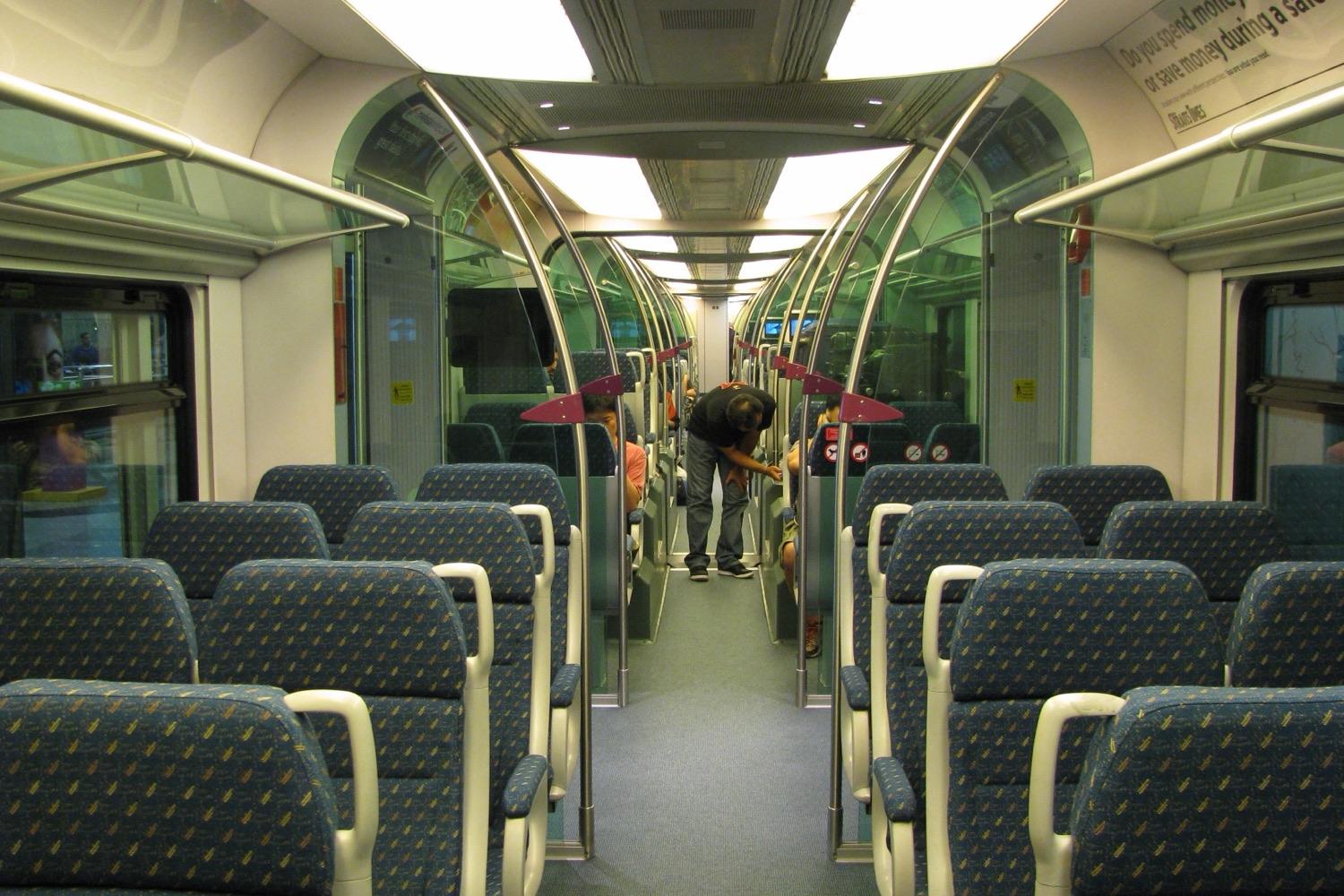

Before you decide, work through the practical questions. Is your passport one that can enter Malaysia without a visa, or do you need permission in advance? Does your airline allow you to leave the airport and check in again for the onward flight? Is your baggage checked through, and if so can you still leave the airport with a carry-on only?
Then be honest about timing. You must pass through immigration, travel into the city, return, and pass through check-in and security again before your gate closes. A delay at any step can turn a generous layover into a rushed afternoon, so leave a clear margin.
If you go ahead and your route takes you through immigration, prepare for the entry the way an ordinary visitor would. Our step-by-step MDAC guide sets out the information to have ready, such as passport details, transport details and where you will stay.
Multi-Stop Itineraries That Re-Enter Malaysia
Some trips pass through Malaysia more than once. A traveler might fly into Kuala Lumpur, continue to a neighboring country and return to Malaysia before heading home. Each time you return, ask the same question: will this journey take me through Malaysian immigration?
A return after a stay elsewhere may be a fresh entry, even when the earlier entry was recent. Do not assume an earlier arrival declaration covers a later arrival without checking how it applies to your itinerary. If you plan to cross by road, our guide to MDAC from Singapore into Johor Bahru looks at the land-border side of repeated journeys.
Domestic-looking flights can also involve immigration. Travel between Peninsular Malaysia and Sabah or Sarawak has been described in UK government advice as involving immigration control even on a domestic flight, so a connection to East Malaysia may not be as simple as an internal transfer. Our UK tourist guide mentions this too. Confirm the current position with your airline.
Passports, Nationalities and Visa Situations
Your passport matters in two ways at KLIA. It determines whether you can enter Malaysia at all without prior permission, and it determines whether the MDAC applies to you if you do enter.
Some passport holders can visit Malaysia for short stays without arranging a visa in advance. Others need a visa or other authorization before they travel, and some may need permission even for a connection that involves immigration. Visa arrangements can also change, which is why guides written for one nationality, such as our article on Indian passport holders, date-stamp their policy information.
Visa-free entry and MDAC exemption are not the same thing. A traveler who needs no visa may still need an arrival declaration, and a traveler who is exempt from the declaration may still need a visa. Read the difference between visa exemptions and MDAC if the distinction is new to you.
Check, too, your passport's condition and remaining validity. UK government advice states that a passport should be undamaged and valid for at least six months after the arrival date, and airlines can refuse boarding to passengers whose documents do not meet the destination's requirements. If your itinerary might take you through Malaysian immigration, check this before you fly, not at the gate.
Families and Children in Transit
Children are not exempt from the arrival-declaration rules because of their age, so the question for a family is whether the whole group passes through immigration. If it does, each traveler needs to be assessed individually, using their own passport and nationality. Our guide to MDAC for families and children covers how to prepare information for every family member.
Transit also creates its own family pressures. Strollers, tired children and large bags make a rushed transfer harder, which is a strong reason to choose a longer connection. If you must change terminals or collect baggage, give yourself extra time and keep all passports and boarding passes in one place.
Delayed, Cancelled or Rebooked Connections
A smooth connection plan can unravel when a flight is delayed or cancelled. Because the airline's response decides whether you stay airside, it can also decide whether you enter Malaysia.
If your airline holds you in transit and rebooks you on a later flight, you may remain in the transit area, perhaps with a meal or rest arrangement the airline provides. If the airline offers a hotel stay, ask whether it is airside or landside, and whether you will pass through immigration to reach it. Ask before you leave the transit area, not after.
If you are rebooked onto a different airline, or onto a flight from a different terminal, you may have to pass through immigration to make the change. Ask the airline in writing to confirm any arrangement that takes you into the country, and ask what it expects you to do about visa and baggage.
Changes to terminal or airline
Even a minor change, such as a new departure gate or a schedule shift, can reroute your connection. Always check your latest confirmation and boarding pass rather than relying on an earlier itinerary, and keep your airline's contact details on hand.
If you realize that your journey now involves entering Malaysia, review your MDAC position promptly. If you have already applied through our service and your journey details change, contact us with your application reference and the revised itinerary. What can be corrected depends on the processing status of your application.
Transit Scenario Matrix
The table below summarizes common situations. It shows what you should check, not what any individual traveler must do. Your airline's instructions and your own passport always come first.
| Scenario | What may happen | Immigration involved? | Questions to check |
|---|---|---|---|
| 1. One ticket, short connection in the same terminal, bags checked through | You follow transfer signs and stay in the secure zone | Not as part of the connection | Confirm through-checked baggage and both boarding passes |
| 2. One ticket, flights use different terminals | Depends on how your airline arranges the transfer | Possibly | Ask the airline how the transfer works and whether you need a visa |
| 3. Separate tickets, same terminal, bags not checked through | You may need to collect bags and check in again | Likely | Check visa and MDAC position before you buy |
| 4. Separate tickets, different terminals | A ground transfer between terminals, with check-in at the second | Likely | Allow a generous buffer and confirm baggage handling |
| 5. Overnight stay in the secure zone | You wait, rest or use an airside facility | Not if you stay in transit | Confirm the room is airside and how you reach it |
| 6. Overnight stay in a landside hotel | You pass through immigration to reach the hotel | Yes | Check visa and MDAC position for the stay |
| 7. Long daytime layover with a city visit | You leave the airport and return for the next flight | Yes | Check entry rules, onward check-in and a safe time margin |
| 8. Return to Malaysia later in the same trip | A second arrival after time in another country | Yes, on each arrival | Do not assume an earlier declaration covers the return |
| 9. Flight cancelled and rebooked next day | The airline decides whether you stay in transit or are accommodated landside | Depends on the arrangement | Ask the airline in writing before leaving the transit area |
| 10. Onward flight to Sabah or Sarawak | A connection that may involve immigration control | Possibly | Check current rules with the airline before you fly |
If MDAC Applies: What to Prepare
If you conclude that your journey will take you through Malaysian immigration, gather the same information any visitor would. That includes your name and passport details, your arrival and departure dates, the number of the flight that brings you into Malaysia, and the place where you will stay, such as a hotel address.
Enter the facts of your own journey accurately: the flight you actually arrive on, your real arrival date and the real address of your accommodation. If you are unsure which details apply, resolve that with your airline or property first.
Apply through our service in advance of your planned travel date. Once your MDAC has been processed, we will send the completed document to your registered email address. If your plans are still uncertain, you can read our MDAC by air, land or sea guide or browse the MDAC FAQ while you confirm your routing.
A completed MDAC is not a visa and does not guarantee admission. Malaysian immigration officers decide whether to admit a traveler, and visa rules are separate.
Common Transit Mistakes
Assuming every connection is automatically exempt
A connection is only a transit if your route avoids Malaysian immigration. Separate tickets, baggage collection and terminal changes can all change that.
Assuming every connection requires an MDAC
The opposite mistake can lead to unnecessary paperwork. Work out your route first, then check the requirement for your passport.
Booking a tight separate-ticket connection
A short gap that works on paper can fail when you add immigration, baggage and a second check-in.
Guessing which side of immigration a hotel is on
Ask the property. A hotel name tells you nothing reliable about the zone it is in.
Ignoring your passport and visa position
An arrival declaration is not a visa. If your route involves immigration, check both. Our Malaysia MDAC overview explains the basics.
Connection-Planning Decision Checklist
Use this list before you book or fly. If you answer yes to any item marked with an arrow, assume your route may involve Malaysian immigration and check the visa and MDAC position.
- Is my whole journey on one ticket, or on separate bookings? (Separate bookings: check the next items carefully.)
- Which terminal does each of my flights use? (Different terminals: ask the airline how I transfer.)
- Will my baggage be checked through to my final destination? (No: I may need to collect it.)
- Will I receive boarding passes for both flights before I leave my first airport? (No: I may need to check in again.)
- Is my layover long enough that I would like to leave the airport? (Yes: that is an entry.)
- Is my overnight room airside or landside, and how do I reach it? (Landside: that involves immigration.)
- Does my itinerary bring me back into Malaysia later? (Yes: that is another arrival to check.)
- Does my passport require a visa or other permission for any part of this route?
- Have I asked my airline in writing and kept the reply?
- If my plans change, who will I contact, and what will I need to hand?
A route that stays in the secure zone from arrival gate to departure gate is the clearest transit. Anything else deserves a second look at your visa position and the MDAC requirement.
Baggage and Self-Transfer Checklist
- Ask at the first check-in desk where your bag will be delivered: Kuala Lumpur or your final city.
- Ask whether the second airline will accept the bag for a separate booking.
- Confirm whether you must collect your bag in Malaysia before checking in again.
- Keep valuables, medication, chargers and documents in your carry-on.
- Note the check-in opening and closing times for the second flight and the terminal where it departs.
- Allow time for immigration, baggage, check-in and security, not just the walk between buildings.
- Check that your passport is valid and in good condition for every country on the itinerary.
- Keep your booking references, airline emails and accommodation details accessible offline.
- Know how you will move between terminals if your airline expects you to do so.
- Plan for a delayed first flight, because the second airline may not be obliged to rebook you.
Frequently Asked Questions About Transit and MDAC
Do I need an MDAC if I only change planes at KLIA?
Not necessarily. Published advice says an arrival card is not needed if you will not pass through Malaysian immigration. If your route does take you through immigration, for example to collect baggage, change terminals or leave the airport, treat it as an entry and check the MDAC and visa position for your passport.
How can I tell whether I will be airside or landside?
Look at your ticket and your airline's instructions. If you hold boarding passes for both flights and your bag is checked through, you are likely to remain airside. If you must collect baggage, check in again or move to a different terminal, you may pass through immigration. Your airline can confirm the arrangement for your booking.
Do I need an MDAC if my flights use different terminals?
Published airport guidance describes Terminal 1 and klia2 as separate terminals between which passengers pass through immigration. That means a terminal change can be an entry into Malaysia, so check the visa and MDAC position and ask your airline how it expects you to transfer.
What should I expect with two separate tickets?
Expect to handle the connection yourself. Your bag may need to be collected, you may need to check in for the second flight, and neither airline may help if the first flight is late. Plan for immigration, a longer gap between flights and checks on your visa position.
Is my luggage automatically checked through?
No. Through-checking is common on single tickets but not guaranteed, and it is unusual across separate bookings. Ask at your first check-in desk where the bag will be delivered, and keep essentials in your carry-on in case it is not.
Can I leave the airport during a long layover?
You can if you are allowed to enter Malaysia and your airline permits it, but it is an entry into the country. Check the visa position for your passport, the MDAC position and the check-in requirements for your onward flight, and leave a generous time margin.
Do I need an MDAC for an overnight stay at an airport hotel?
It depends on which side of immigration the hotel is on. A hotel inside the secure transit area does not involve passing through immigration, while a landside hotel does. Ask the property and your airline before you book, and do not rely on the hotel's name.
What happens if my connecting flight is delayed or cancelled?
The airline's response decides your route. You may remain in the transit area, be rebooked on another flight or be offered accommodation. Before leaving the transit area for a hotel, ask whether it is airside or landside and whether it requires you to pass through immigration.
Do children in transit need an MDAC?
Children are not exempt simply because of their age. If your route takes the family through Malaysian immigration, each traveler's requirements should be checked individually using their own passport. If the family stays in transit, the same logic applies to them as to adults.
Does visa-free entry change the transit position?
Visa-free entry and an arrival declaration are separate matters. A visa exemption may allow you to enter Malaysia without a visa, but it does not remove the arrival-declaration question if you pass through immigration. Equally, passing through immigration does not guarantee you can enter if your passport needs a visa.
What if I return to Malaysia later on the same trip?
Treat each arrival as a separate journey. If a later return takes you through Malaysian immigration, check the requirement again rather than assuming an earlier declaration covers it. Your return flight number and arrival date will matter.
Can I apply through your service before my plans are final?
Yes. Apply through our service in advance of your planned travel date. Once your MDAC has been processed, we will send the completed document to your registered email address. If your flight or accommodation details change afterward, contact us with your application reference and the updated itinerary.
Related Guides
- Check MDAC EligibilitySee whether the arrival-declaration requirement applies to your circumstances.
- How to Apply for Malaysia MDACA step-by-step guide to preparing and completing your application.
- MDAC by Air, Land or SeaHow the requirement applies at airports, land borders and seaports.
- Malaysia MDAC for Indian Passport HoldersEntry requirements, visa rules and a travel checklist for Indian passport holders.
- Malaysia MDAC from SingaporeA practical guide to crossing the Johor Bahru border by bus, car or train.
- Malaysia Visa Exemptions vs MDACUnderstand the difference between visa-free entry and an MDAC exemption.
- Malaysia MDAC for First-Time U.S. TravelersWhat to prepare for a first visit to Kuala Lumpur and the arrival process at KLIA.
- Malaysia MDAC for Australian Tourists in 2026A practical guide for Australian passport holders flying to Malaysia.
Plan Your Connection with Confidence
A connection through Kuala Lumpur is straightforward when you know which side of immigration you will be on. The deciding facts are your ticket, your baggage, your terminals, your airline's arrangements and your passport, not the fact that you are only passing through.
If your route stays in the secure transit area, you generally have not entered Malaysia. If it takes you through immigration, prepare as an ordinary visitor would, and check both the visa and the MDAC position before you fly. Our first-time visitor guide for American travelers and our Australian tourist guide show how that preparation looks for travelers arriving at KLIA.
Apply through our service in advance of your planned travel date. Once your MDAC has been processed, we will send the completed document to your registered email address.