
MDAC GUIDE
Malaysia MDAC from Singapore: Johor Bahru Border, Bus, Car & Train Travel Guide
Few border crossings are as busy or as familiar as the one between Singapore and Johor Bahru. Commuters, weekend shoppers, families visiting relatives, business travelers and tourists on a side trip all use the same short route, and most of them do it without much thought.
That familiarity is exactly why preparation tends to slip. A traveler who would never board a long-haul flight without checking their documents may join a bus queue at the checkpoint with a half-charged phone, an expired passport or an assumption that heading north from Singapore somehow changes the paperwork.
This guide is about the practical side of that crossing: what to have ready, how the Malaysia Digital Arrival Card fits into a bus, car or train journey, and where plans most often go wrong. It does not repeat the full list of MDAC exemptions, which you can find on our [eligibility page](/eligibility). Instead, it helps you work out what applies to you and prepare for the checkpoint with confidence.

Quick Answer: Does Arriving From Singapore Change Anything?
Singapore to Johor Bahru at a glance
- Departure point
- Starting your journey in Singapore does not exempt you from the MDAC. The requirement turns on your citizenship, travel document and immigration status, not on where you boarded.
- Singapore citizens
- Citizens of Singapore holding Singapore passports are among the published exempt groups at all entry points. Those who want to enroll for automated e-gate clearance may choose to submit an MDAC.
- Foreign residents of Singapore
- Living, working or studying in Singapore does not create an exemption. Your own passport and your Malaysian immigration status decide the position.
- Crossing method
- Bus, car or train does not change the MDAC question, but it changes how you prepare, who handles the transport details and what can go wrong.
- MDAC is not a visa
- An MDAC is a declaration about your arrival, not a permit. It does not replace any visa or pass you may need, and it does not guarantee admission.
- Ordering through us
- Apply through our service in advance of your planned travel date. Once your MDAC has been processed, we will send the completed document to your registered email address.
In short, treat the crossing as a normal entry into Malaysia that happens to start from a neighboring city. Work out whether you personally need an MDAC, prepare the details for the journey you are actually making, and keep your documents where you can reach them at the checkpoint.
The broader picture of how the requirement applies at airports, land borders and seaports is covered on our air, land and sea page. The rest of this guide goes deeper into the Singapore and Johor Bahru route specifically.
Passport, Residence and Pass: Three Different Things at the Checkpoint
A common confusion on this route is mixing up three separate facts about a traveler: the passport they hold, the place they live and the immigration pass they carry in either country. Only some of these matter for the MDAC.
Your passport nationality is the starting point. Your status in Malaysia, such as permanent residence or a qualifying long-term pass, can also change the answer. Where you live in Singapore does not, by itself, change anything. A pass issued by Singapore, whether an employment pass, student pass or permanent residence, is a Singapore matter. It tells Singapore how you may live there. It does not tell Malaysia how you may enter.
| Traveler | What usually decides the position | Sensible next step |
|---|---|---|
| Singapore citizen with a Singapore passport | Citizenship. This group appears among the published exempt categories. | Carry your passport. Consider whether you want to enroll for e-gate clearance, which some travelers do by submitting an MDAC. |
| Singapore permanent resident with a foreign passport | The passport you travel on. Singapore permanent residence is not the Singapore citizen exemption. | Check the rules for your own nationality and prepare accordingly. |
| Employment, S Pass or dependent pass holder with a foreign passport | Your passport and your Malaysian immigration status. A Singapore work pass gives no Malaysian exemption. | Treat yourself as a foreign visitor to Malaysia unless you hold a qualifying Malaysian status. |
| Tourist staying in Singapore | Your passport. Being in Singapore first changes nothing. | Prepare the MDAC and your travel details for the day or stay in Johor Bahru. |
| Foreign national with Malaysian permanent residence or a qualifying long-term pass | Your Malaysian status, subject to the conditions of that status or pass. | Carry the pass or card that proves it and confirm it is valid. |
| Holder of an exempt border document | The specific document, not the passport country. | Check the document against the exempt categories before relying on it. |
If you want the broader story of why visa-free entry and MDAC exemptions are different questions, our guide to visa exemptions versus MDAC walks through it in detail.
Singapore Citizens and the E-Gate Question
Because Singapore citizens are a published exempt group, many readers wonder why they keep seeing advice to complete an MDAC anyway. The explanation is the e-gate.
Our eligibility guidance reflects Singapore's own travel advice: Singapore passport holders are exempt at all entry points, and a Singapore citizen who wants to enroll for automated clearance on later trips may choose to submit an MDAC for that purpose. It is not described as a requirement for entry.
Everyone else on the Singapore side of the border, including families that mix Singapore citizens with foreign passport holders, should read the rest of this guide with their own passport in mind.
The Two Road Crossings and the Rail Link
Singapore and Johor are connected by two road crossings and one rail link. They differ in layout, in the vehicles that use them and in the surroundings you pass through, but the MDAC logic is identical at each. What changes is the preparation.
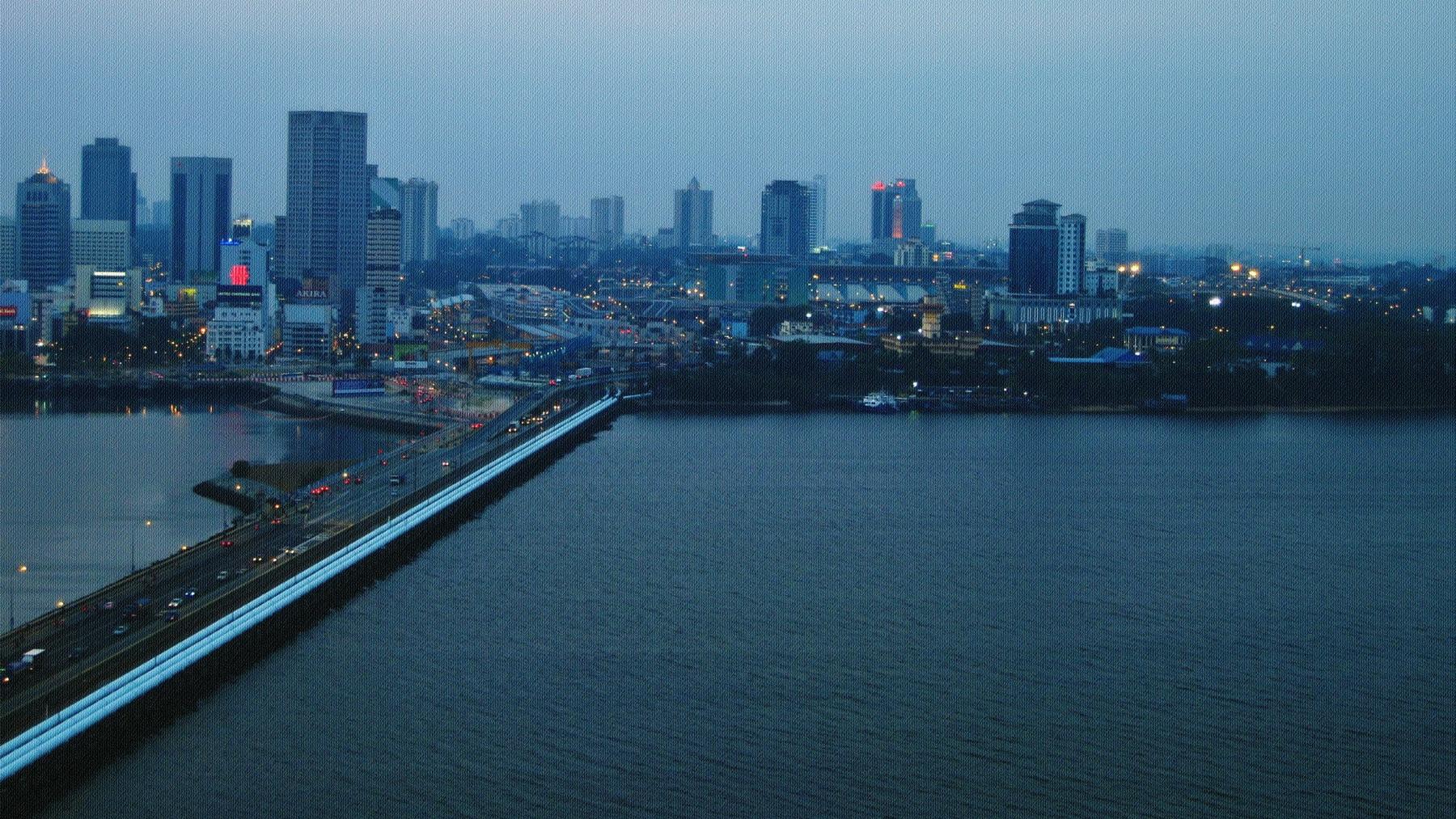
The Woodlands Causeway
The Causeway links Woodlands in Singapore with central Johor Bahru and is the older and better-known route. It carries buses, cars and motorcycles. The immigration complex on the Johor Bahru side is the Sultan Iskandar Building, a name you may see on signs and navigation apps.
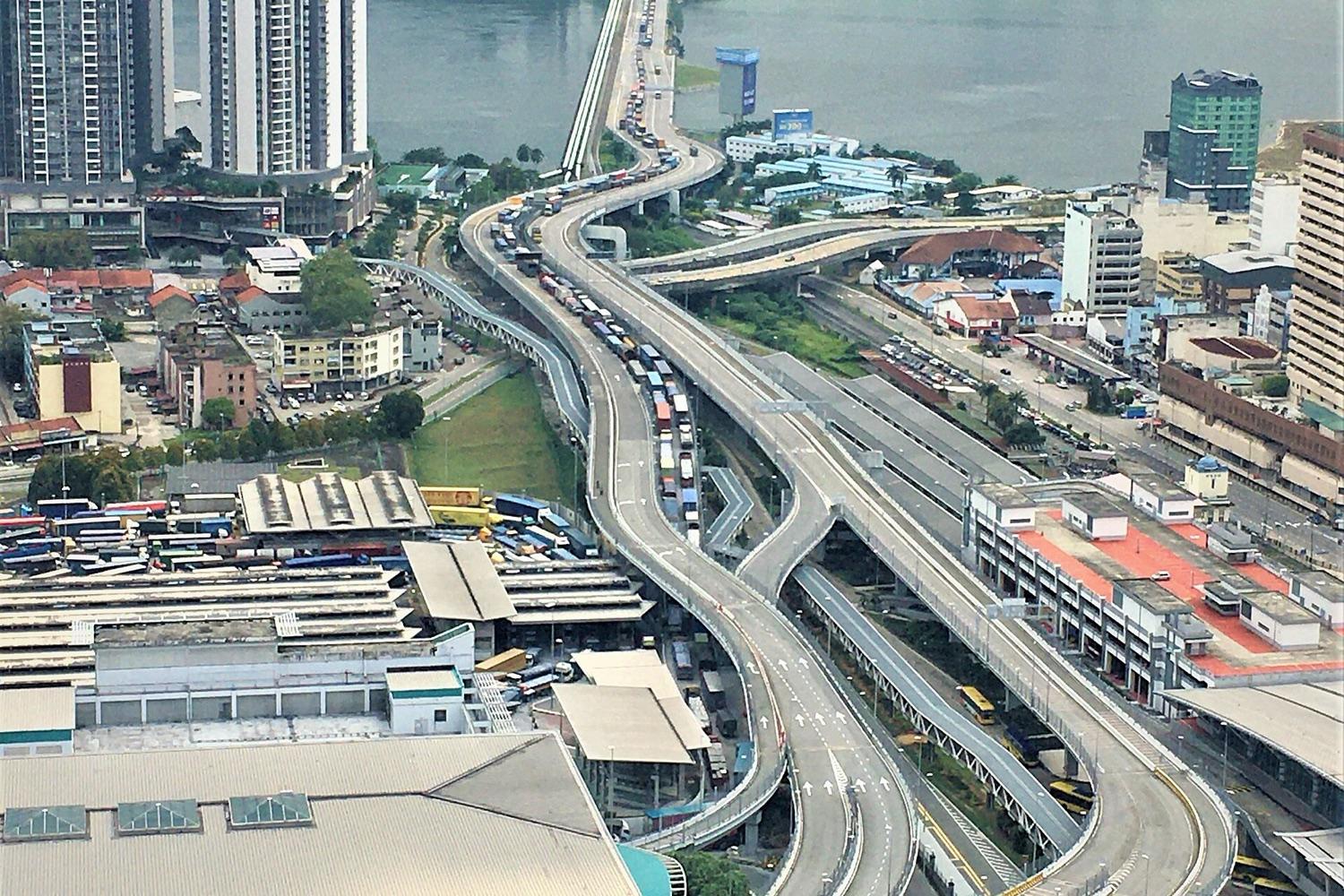

The Tuas Second Link
The Second Link joins Tuas in western Singapore with the Tanjung Kupang area of Johor, away from the center of Johor Bahru. Cross-border buses and private vehicles use it, and travelers often choose it because it suits their destination in western Johor or because they have been advised to avoid the Causeway on a particular day.
Whichever road you choose, the checkpoint process involves clearing Singapore immigration first and then Malaysian immigration. Your MDAC, where one applies to you, is relevant at the Malaysian side.
The rail link
A shuttle train runs between Woodlands Train Checkpoint in Singapore and Johor Bahru Sentral on the Malaysian side. We cover it in its own section below because it behaves differently from the road routes for families and for travelers with luggage.
Crossing by Public Bus
Cross-border buses are the way most visitors without a car make the journey, and for good reason: services start from several points in Singapore and arrive at terminals in Johor Bahru that connect to hotels, shopping centers and onward transport.
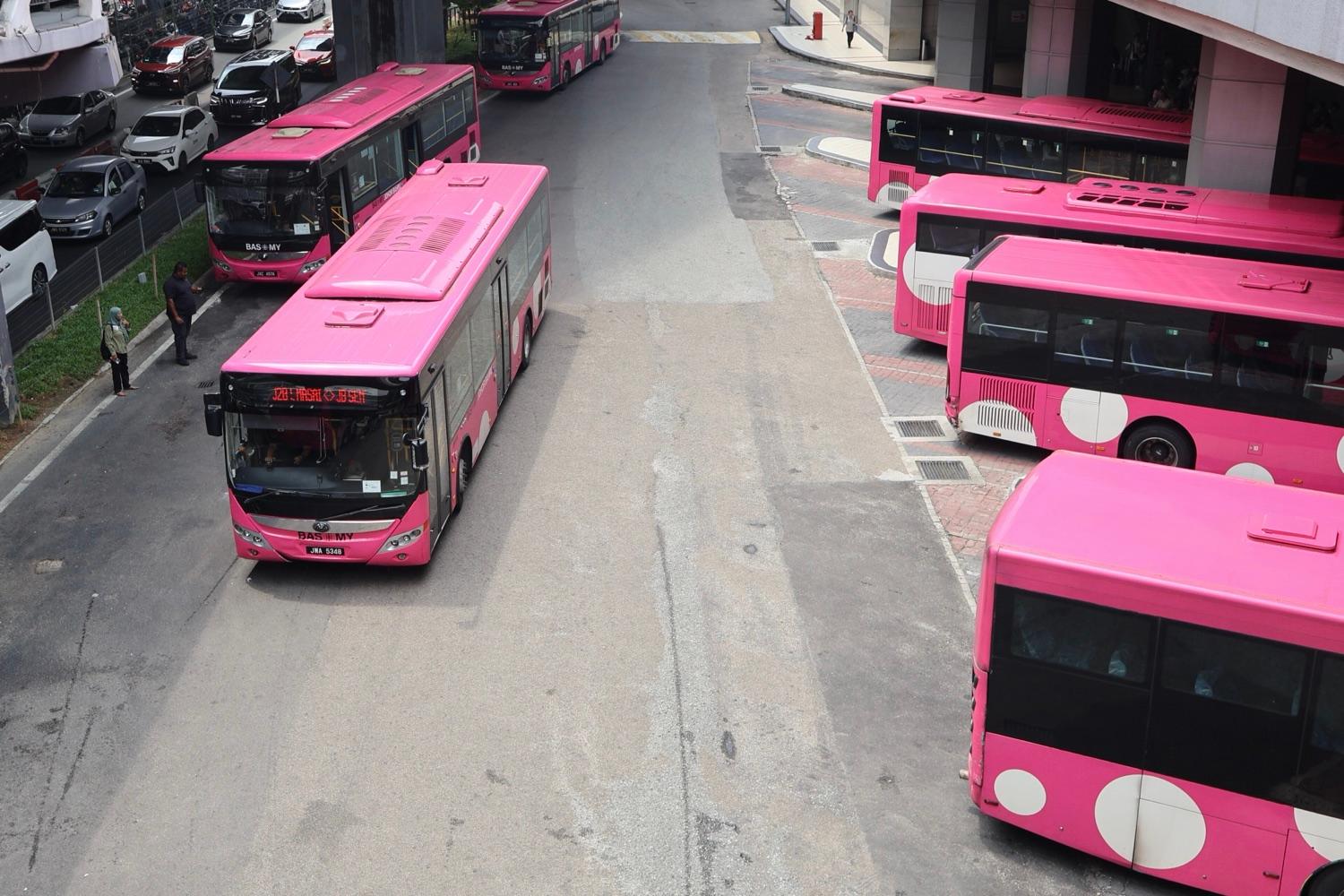

What a bus crossing usually involves
On a typical crossing, passengers leave the bus at the Singapore checkpoint to clear immigration, board again, and then repeat the process on the Malaysian side. Follow the instructions of the driver and checkpoint officers on the day, because procedures at the checkpoints can differ by service and can change.
Preparing for a bus journey
- Prepare your MDAC details before you board, so you are not entering passport numbers on a moving bus with an unstable signal.
- Keep your passport in an easily reached pocket rather than the bottom of a bag you have stowed.
- Charge your phone and carry a portable charger. Confirmation emails and itinerary details are far easier to show than to describe.
- Know your drop-off point in Johor Bahru and have a rough plan for getting there, so you can answer simple questions about your destination.
- If you travel in a group, agree beforehand who is carrying what, and make sure each person carries their own passport.
The bus is a good fit for individual travelers and small groups, but because you leave the vehicle at each checkpoint, anything that slows one person, such as an unreadable passport page or missing information, slows the whole group.
Crossing by Private Car
Driving gives you the most flexibility on the Johor side, particularly for family trips, shopping runs and journeys that continue beyond Johor Bahru. It also adds a layer that the bus and the train do not: the vehicle itself.
Every traveler is separate
A car with four people is four sets of documents. A driver who is a Singapore citizen and passengers who hold foreign passports are separate cases, as are children traveling on different passports from their parents. Check each person's position individually rather than assuming the driver's answer covers the car.
The vehicle is a separate subject
The MDAC concerns the traveler, not the vehicle. Rules for bringing a vehicle into Malaysia, including any permit, tag, insurance or road-charge arrangements, are separate from the arrival declaration and have changed in recent years for Singapore-registered vehicles. We do not cover them here, because details that go out of date quickly are worse than none. Before you drive, check the current requirements for your specific vehicle with the relevant Malaysian authorities and your insurer.
Practical points for drivers
- Prepare every occupant's MDAC details before you leave, not while the car is queuing.
- Do not rely on the driver's phone for everyone's confirmation. Make sure each adult can show their own document.
- Keep passports together in one accessible place, but not on a seat where they could slip away.
- If a traveler's document is unclear, decide at home, not at the checkpoint, whether the plan still works.
Crossing by Train
The shuttle train between Woodlands Train Checkpoint and Johor Bahru Sentral appeals to travelers who prefer a station-based journey to a road queue. Rail travelers clear immigration formalities at the stations on each side rather than at a road checkpoint, and then board or leave the train.


The train changes what you have to organize. There is no vehicle to think about, but tickets, seats and departure times matter, so a missed service or a delay in clearing immigration can affect your plans more directly than when you travel by car and set your own departure. Check the operator's current information for services and ticketing, because both can change.
For the MDAC, the logic is the same as on the road: if the requirement applies to you, prepare it for the arrival date and the train journey you are actually taking.
The RTS Link: Planned, Not Yet Operating
The Johor Bahru and Singapore Rapid Transit System Link is a cross-border rail line connecting Bukit Chagar in Johor Bahru with Woodlands North in Singapore. Many readers ask whether it changes the MDAC picture.
Until the line opens, nothing about it changes your preparation. Once it does, the key point is unlikely to be the vehicle: whether you need an MDAC depends on you, not on whether you cross on a bus, in a car or on a train. If the RTS Link changes how or where immigration formalities are handled, you should expect to see that explained in official announcements rather than in articles like this one.
Bus, Car and Train Compared
The table below summarizes how the three methods differ in practice. It does not compare fares, timings or queue lengths, because those vary by day and by operator.
| Consideration | Bus | Car | Train |
|---|---|---|---|
| Who suits it best | Individuals, couples and small groups without a vehicle | Families, groups with luggage, trips beyond Johor Bahru | Travelers who prefer a station-based journey and fixed departures |
| What you personally carry | Your passport, confirmation and travel details | Everyone's passports and confirmations, plus vehicle paperwork | Your passport, confirmation and ticket |
| MDAC position | Depends on your own citizenship and status, as for any entry | Depends on each occupant's citizenship and status | Depends on your own citizenship and status |
| Main practical risk | A group delayed by one passenger's missing detail | Vehicle rules overlooked, or one occupant unprepared | A missed departure if clearance takes longer than expected |
| Best preparation habit | Finish the MDAC before boarding and keep your passport handy | Confirm vehicle rules and every occupant's documents before leaving | Check current service information and allow a generous buffer |
| What to verify first | Where the service drops you off in Johor Bahru | Current requirements for your specific vehicle | Whether the service you want is currently running |
No method is inherently safer for MDAC purposes. The right choice is the one where you can arrive at the checkpoint with every document and detail already organized.
A Preparation Sequence for the Days Before You Cross
Decide who is actually crossing
List every traveler, their passport nationality, the passport they will use and any Malaysian status they hold. Do not include anyone on the assumption that they share your answer.
Check the passport itself
Confirm the expiry date, the condition of the photo page and that the number matches any booking or form where it appears.
Decide whether an MDAC applies to each person
Use the eligibility checker and guide for each traveler. If the position is unclear, ask before you travel rather than at the checkpoint.
Choose your crossing and note the fallback
Pick a crossing method and a backup. If the first choice is disrupted, you want to have already thought about the second.
Prepare your journey details
Gather the date of arrival in Malaysia, your transport details and where you will be going. Use details that match your actual plan.
Place your order in good time
Apply through our service in advance of your planned travel date. Once your MDAC has been processed, we will send the completed document to your registered email address.
Pack for the checkpoint
Keep passports, any pass cards, confirmation emails and a charged phone together where you can reach them without unpacking.
Our how to apply guide explains the information we ask for in more detail.
Passport and Document Checks Before the Checkpoint
Several document problems come up repeatedly with land crossings, and nearly all of them can be solved at home in a few minutes.
- Passport validity: check how long your passport remains valid, and do not assume that a document with a short remaining validity will cause no questions at either end of the journey.
- Name and number consistency: the details on any form or booking should match the passport you are carrying, including after a recent renewal.
- Your way back: if you live in Singapore on a pass, make sure the pass you need to re-enter Singapore is valid and with you. This is a Singapore matter, but it is the one that most often gets forgotten.
- Children's documents: each child needs their own passport and their own details, even if the child travels with a parent who shares a surname.
- Digital access: save confirmations in a form you can open without a mobile data connection.
Admission to Malaysia is decided by immigration officers under the rules that apply at the time. A completed MDAC is one part of preparation. It is not a visa and does not guarantee entry.
What to Enter for Your Journey Details
Whatever method you use, an MDAC application asks you to describe your journey: when you will arrive, how you will travel and where you will stay or go. The principle is simple: enter what is true for your actual trip.
- Use the date you will actually enter Malaysia, which is not necessarily the day you started planning or bought a ticket.
- Describe your mode of travel as it applies to your crossing, and use the identifying details that apply to your journey.
- Give genuine information about where you will be in Malaysia. Do not invent a hotel or an address to fill a field.
- If you are unsure how a particular field applies to a bus, car or train trip, ask before ordering rather than guessing.
If you are not sure what to enter, contact us before you place your order.
Day Trips and Repeat Crossings
Many people cross for the day to eat, shop, see a dentist or visit friends. Day trips feel informal, which makes them the situation where documents are most easily left at home.

Our general FAQ explains that an MDAC relates to the travel information submitted for a particular arrival and that you should check whether a new declaration is needed when you travel again. Apply that to repeat crossings: treat each entry as its own journey with its own date, rather than assuming an earlier submission covers a later visit.
Example 1: A tourist on a Sunday side trip
A visitor from Australia, staying in a Singapore hotel for a week, decides at breakfast to cross to Johor Bahru for the afternoon. Their Australian passport does not give any exemption, and a day trip does not change that. They should have prepared the arrival details beforehand, not on the bus. Our guide for Australian travelers covers the passport side of this.
Example 2: A weekly crosser with a foreign passport
A professional on an employment pass in Singapore visits Johor Bahru most weekends. Their Singapore pass is irrelevant to Malaysian entry, so they are a foreign visitor for MDAC purposes unless they hold a qualifying Malaysian status. Because each entry is its own journey, they should plan their dates and details for each trip rather than reuse an old one.
Example 3: A Singapore citizen going for the e-gate
A Singapore citizen who crosses regularly wants to use automated clearance. They are exempt from the MDAC requirement, but they may choose to submit one for e-gate enrollment, and should check the current Singapore guidance first.
Example 4: A student with an Indian passport
A student at a Singapore university, traveling on an Indian passport, goes to Johor Bahru for a long weekend. Their student pass is a Singapore pass. For the Malaysian crossing, their Indian passport and Malaysian entry rules for that nationality apply, as described in our guide for Indian passport holders.
Families and Mixed-Nationality Groups
Families make the Singapore crossing more often than most travelers, and families are where the assumption that everyone shares one answer causes the most trouble.
Case study: one Singapore citizen, three foreign passports
A couple and their two children live in Singapore. The father holds a Singapore passport. The mother and the children hold passports from another country and live in Singapore as permanent residents. The father falls within the published exemption for Singapore citizens. The mother and the children do not share it. Singapore permanent residence is not the same as Singapore citizenship, and a child's position is not automatically the same as a parent's. Each should be assessed on their own passport.
Case study: grandparents visiting from abroad
A family in Singapore hosts grandparents who arrived on foreign passports. They decide to cross to Johor Bahru as a family outing. The grandparents are visitors on their own passports, and the hosts' status does not transfer. The family should prepare the grandparents' details separately and make sure they carry their own passports.
Our guide to families and children explains how to organize several applications at once, including children who travel on different documents from their parents.
Living in Singapore: Work Passes, Permanent Residence and Students
Because so many people travel into Johor from Singapore as residents rather than tourists, it helps to be precise about residents' positions. Three situations cause the most uncertainty.
Employment pass and other work pass holders
A Singapore work pass is a Singapore document. It establishes your right to work and live in Singapore, not any Malaysian status. If your passport is not Singaporean and you have no Malaysian permanent residence or qualifying long-term pass, plan as a foreign visitor to Malaysia.
Singapore permanent residents with foreign passports
Singapore permanent residence is not citizenship. A permanent resident traveling on another country's passport follows the rules for that passport. Our eligibility guidance makes the same point.
Students and dependents
Student passes, dependent passes and long-term visit passes are all Singapore documents. A traveler on one of these should look at the passport they will present, and at any Malaysian status they genuinely hold.
Our eligibility checker helps you establish your own position, and the FAQ answers several common questions in brief.
Delays, Changed Plans and Missed Connections
Crossings can run smoothly or slowly, and you generally cannot predict which. We do not publish waiting times because they vary by day, season and checkpoint, and any figure we gave would soon be out of date.
What you can control is the way your plans handle a delay. If you have a dinner reservation, a hotel check-in or a connecting train, build in margin. If you are traveling with children or older relatives, build in more.
- If your crossing is delayed past midnight, check whether your arrival date as entered still reflects when you will actually enter Malaysia.
- If you switch from the Causeway to the Second Link, or from bus to train, your preparation is unchanged, but your transport details may be different.
- If you need to change journey details after ordering through us, contact us with your reference and the new information. Whether a correction is possible depends on the status of your order.
- If you are connecting to a flight from Johor, read our guide for transit passengers before assuming a connection avoids immigration.
Common Land-Border Mistakes
Assuming Singapore departure means exemption
Leaving Singapore tells you where you came from. It does not make you a Singapore citizen or a Malaysian resident.
Treating a Singapore pass as a Malaysian one
An employment pass, student pass or Singapore permanent residence is issued by Singapore. It says nothing about your standing at the Malaysian checkpoint.
Preparing one document for a group
Each traveler needs their own details. A group booking does not merge several people into one record.
Leaving the form until you are in the queue
Your mobile data may be limited near the checkpoints, and typing passport numbers while a vehicle inches forward is how errors happen.
Ignoring the vehicle
Car travelers sometimes prepare every occupant's paperwork but forget to check the vehicle's own entry requirements.
Using an old passport number
If you renewed your passport, confirm that saved profiles, bookings and forms show the current number.
Relying on last month's experience
Procedures and services at the border change. Someone else's smooth crossing is not a guarantee about yours.
Border Crossing Preparation Checklist
Use this list in the day or two before you travel, and keep it with your documents.
Documents to have ready
- Your passport, valid and in good condition, for every traveler.
- Any Malaysian pass or card, if you rely on one for your status.
- The Singapore pass or document you need to return, if you live in Singapore.
- Your completed MDAC, where one applies, saved so you can open it offline.
- Confirmation of any train ticket or onward booking.
- Vehicle paperwork, if you are driving, as required for your vehicle.
Details to double-check
- The date you will enter Malaysia.
- Your passport number, spelled and entered exactly as in your passport.
- Your mode of travel and the transport details that apply to it.
- Where you will be in Malaysia, entered truthfully.
- The email address that will receive your document.
On the day
- Charge your phone, and carry a charger.
- Keep passports in a pocket or small bag you can reach without unpacking.
- Follow the directions of checkpoint officers and transport staff.
- Answer questions honestly and consistently with your plans.
- Do not carry anything on someone else's behalf if you cannot account for it.
Frequently Asked Questions
Does coming from Singapore exempt me from MDAC?
No. The published exemptions are based on citizenship, certain documents and certain Malaysian statuses, not on where you boarded. Departing from Singapore does not by itself exempt a visitor.
Do I need an MDAC for a day trip to Johor Bahru?
If you are a foreign visitor who falls within the requirement, the length of your visit does not remove it. Plan the same preparation for a few hours as you would for a few days.
Is the crossing by bus different from the crossing by car?
For the MDAC, no. The question turns on you, not your vehicle. In practice, you leave a bus at each checkpoint, whereas a car brings extra considerations, such as vehicle rules and every occupant's documents.
Do Singapore permanent residents need an MDAC?
Singapore permanent residence does not create an MDAC exemption. A permanent resident traveling on a foreign passport follows the rules for that passport, unless they hold a qualifying Malaysian status.
I work in Singapore on an employment pass. Am I exempt in Malaysia?
A Singapore employment pass is not a Malaysian status. Unless you hold Malaysian permanent residence or a qualifying Malaysian long-term pass, treat yourself as a foreign visitor for MDAC purposes.
Should Singapore citizens submit an MDAC for the e-gate?
Singapore citizens are among the published exempt groups, and an MDAC is not required for entry. Some choose to submit one to enroll for automated clearance. Because published accounts differ, check the current Singapore government guidance if the e-gate matters to you.
Do I need a new MDAC every time I cross?
An MDAC relates to the travel information submitted for a particular arrival. When you travel again, check whether a new declaration is needed and plan each crossing on its own dates and details.
Do children need their own MDAC details on this route?
Children are not automatically exempt because of their age, and each child should be assessed using their own passport. Prepare each child's details separately, even if the family travels together.
Is the RTS Link running yet?
Not as of November 18, 2026. Reporting indicates passenger service is targeted for February 2027, subject to approvals. Treat the date as provisional and check for updates before you plan around it.
Will the train crossing keep running after the RTS Link opens?
Reports suggest the existing shuttle train is expected to be wound down after the new service starts, though reported dates differ. Confirm what is running for your travel date before you book.
What should I do if my plans change after I order?
Contact us with your reference and the revised details. Whether a correction is possible depends on the status of your order.
Does a completed MDAC guarantee that I will be admitted?
No. The MDAC is an arrival declaration, not a visa or a guarantee of admission. Malaysian immigration officers decide whether a visitor meets the entry requirements that apply.
Related Guides
- MDAC by Air, Land or SeaHow the requirement applies at airports, land borders and seaports.
- MDAC Eligibility and ExemptionsCheck who needs to submit an MDAC and every published exempt group.
- Visa Exemptions vs MDACWhy visa-free entry and an MDAC exemption are different questions.
- MDAC for Families and ChildrenOrganizing several applications, including children on different passports.
- MDAC for Transit PassengersKLIA layovers, connecting flights and when immigration clearance changes things.
- MDAC for Indian Passport HoldersVisa rules, MDAC and a travel checklist for Indian passport holders.
Cross With Your Documents Ready
The crossing from Singapore to Johor Bahru is short, but the checkpoint is a place where preparation pays off. Work out your own position based on your passport and status, prepare the journey you are actually making, and keep your documents where you can reach them.
If an MDAC applies to you, apply through our service in advance of your planned travel date. Once your MDAC has been processed, we will send the completed document to your registered email address.